
Discovering a reputable veterinary clinic nearby can provide peace of mind for pet owners seeking quality care for their furry companions https://starlight-vet.com/. This article delves into the array of services offered at vet clinics, familiarizing readers with common procedures and treatments, emphasizing the importance of preventive care.
Learn what to expect during a visit and gain insight into emergency care options. Stay informed and empowered when it comes to your pet’s health and well-being.
Services Offered at Vet Clinics
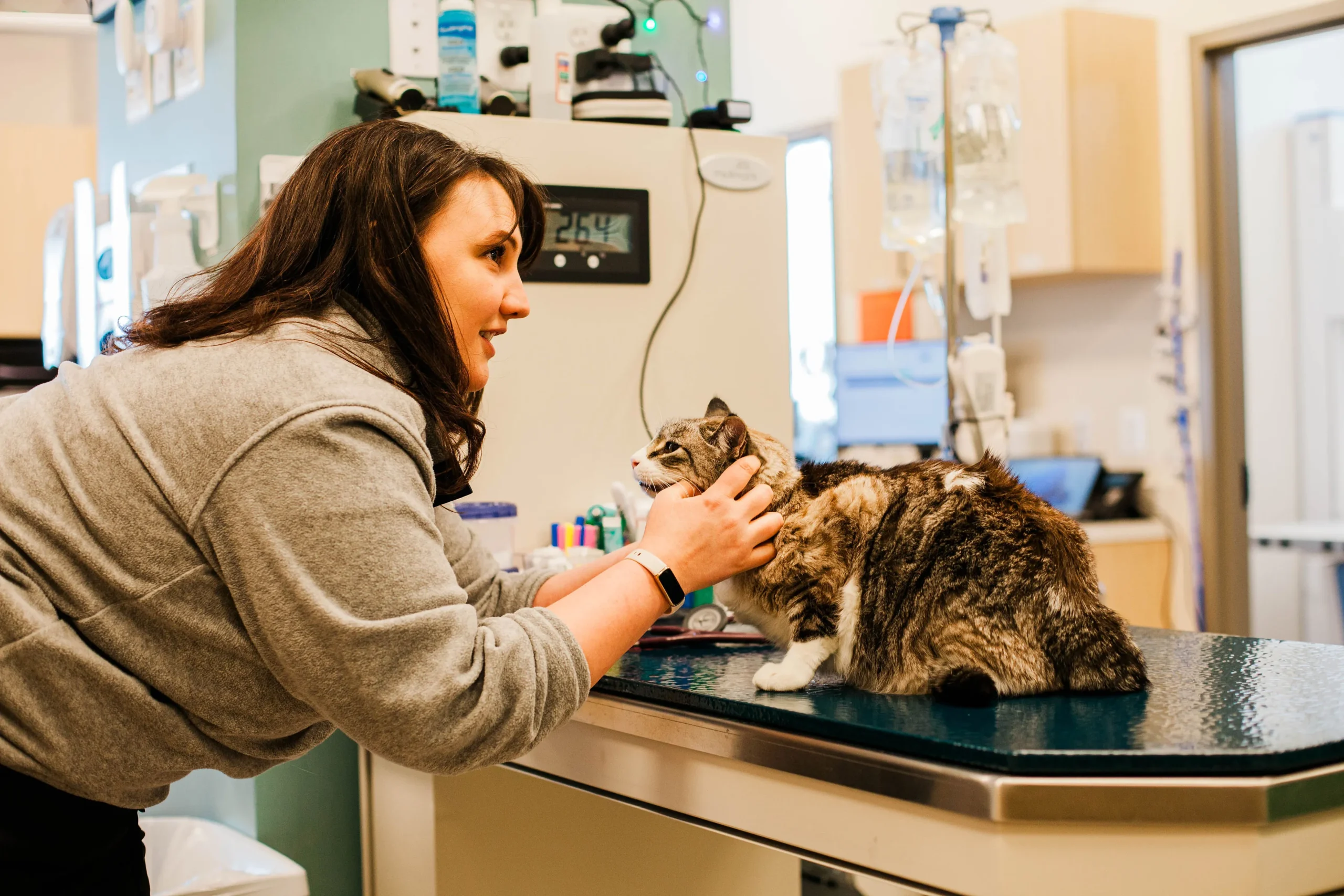
Regularly, vet clinics provide a range of essential services to ensure the health and well-being of your pets. These services encompass preventive care such as vaccinations, parasite control, and regular health check-ups. Vaccinations are crucial in safeguarding pets against various infectious diseases, while parasite control helps prevent infestations that can harm your pet’s health. Routine health check-ups are vital for early detection of any underlying issues and for maintaining your pet’s overall well-being.
Moreover, vet clinics offer diagnostic services, including blood tests, X-rays, and ultrasounds, to assess your pet’s internal health and diagnose any ailments accurately. These diagnostic tools aid in identifying health problems promptly, enabling timely treatment interventions. Additionally, vet clinics perform surgical procedures, from routine spaying and neutering to more complex surgeries, ensuring that your pet receives the necessary medical care when needed.
Common Procedures and Treatments
Vet clinics commonly provide a variety of essential procedures and treatments to address the healthcare needs of pets. These clinics offer services such as routine check-ups, vaccinations, and preventive care to maintain pets’ overall well-being. One of the most common procedures is spaying or neutering, which helps control the pet population and can also prevent certain health issues. Dental cleanings are also crucial for pets to prevent dental diseases and maintain good oral hygiene.
In addition to preventive care, vet clinics also offer diagnostic procedures like blood tests, X-rays, and ultrasounds to identify any underlying health issues. These tests help veterinarians make accurate diagnoses and develop appropriate treatment plans. For pets with injuries or illnesses, surgical procedures may be necessary. Surgeries such as tumor removals, orthopedic procedures, and wound repairs are commonly performed at vet clinics to help pets recover and improve their quality of life.
Importance of Preventive Care
One crucial aspect of pet healthcare that cannot be overlooked is the implementation of a comprehensive preventive care regimen. Preventive care plays a vital role in ensuring the overall well-being and longevity of our beloved animal companions. By proactively addressing potential health issues before they escalate, pet owners can help their furry friends lead healthier and happier lives.
Regular preventive care measures typically include routine wellness exams, vaccinations, parasite control, dental care, and nutrition guidance. These proactive steps not only help prevent diseases but also aid in early detection, leading to more effective treatments and potentially lower healthcare costs in the long run.
Preventive care also fosters a strong bond between pets and their owners by promoting regular interactions with veterinary professionals. These visits not only address immediate health concerns but also serve as educational opportunities for pet owners to learn about proper care practices and potential risks to their pets’ health.
In essence, investing in preventive care is a proactive and responsible approach to pet ownership, ensuring that our furry companions receive the attention and support they need to thrive.
What to Expect During a Visit
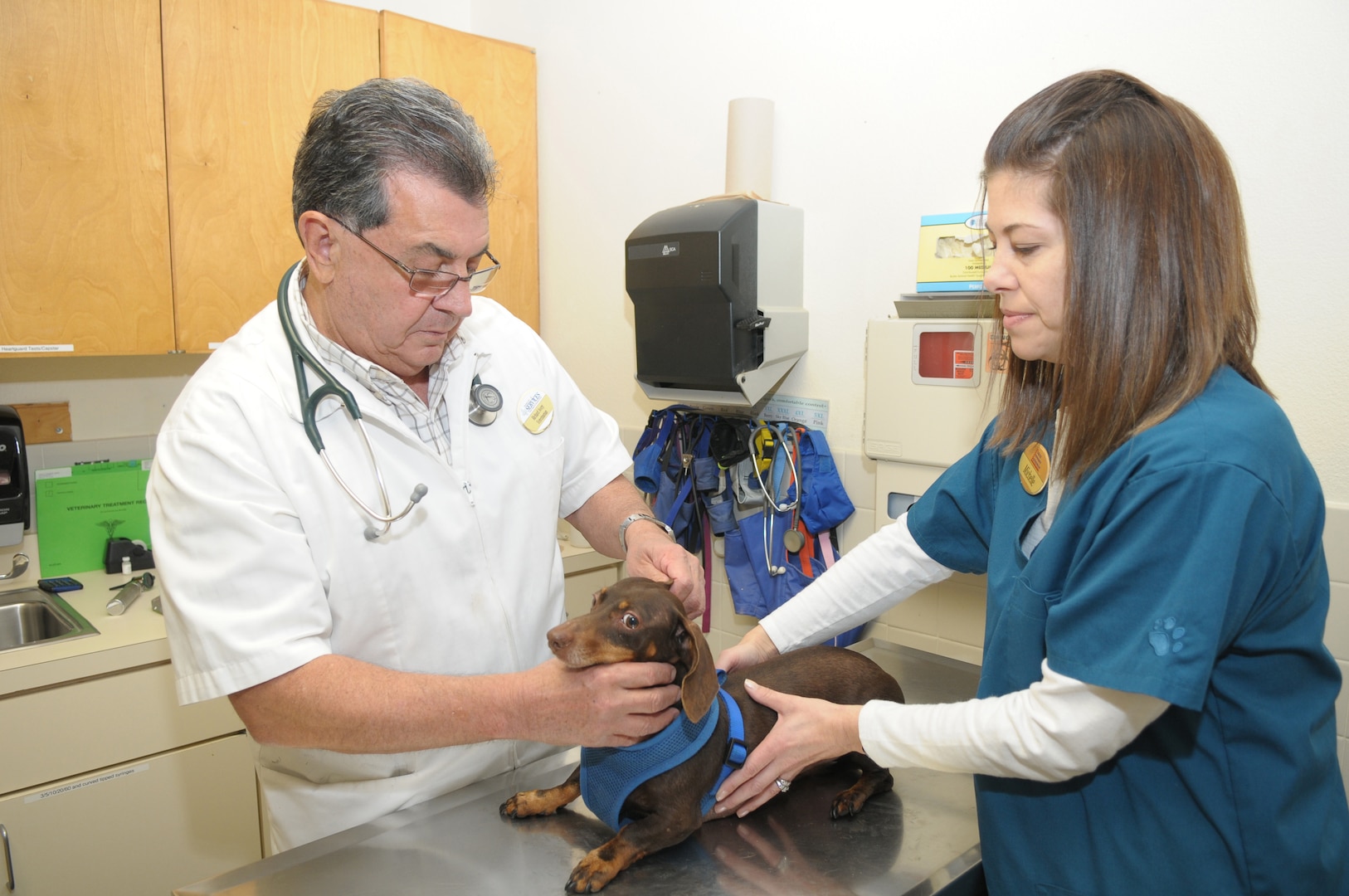
During a visit to the vet clinic, pet owners can expect a thorough examination of their animal companion’s overall health and well-being. The veterinarian will typically begin by reviewing the pet’s medical history, including any pre-existing conditions, medications, or past treatments. Next, the vet will perform a comprehensive physical assessment, which may involve checking the pet’s weight, temperature, heart rate, and overall body condition.
Depending on the reason for the visit, additional tests such as blood work, urinalysis, or imaging studies like x-rays may be recommended to further evaluate the pet’s health. The vet will also conduct a detailed examination of the pet’s eyes, ears, teeth, skin, and coat, looking for any signs of potential issues or abnormalities.
Throughout the visit, pet owners can expect clear communication from the veterinarian regarding their findings, any recommended treatments or preventive care measures, as well as guidance on nutrition, exercise, and overall wellness for their furry friend. It is essential for pet owners to ask questions and seek clarification on any concerns they may have during the visit to ensure the best possible care for their beloved pet.
Emergency Care and After-Hours Services
In situations where unexpected medical needs arise for pets, access to emergency care and after-hours services becomes crucial for timely intervention and treatment. Many vet clinics offer emergency care services to address urgent medical issues that may occur outside of regular business hours. These services are typically available during evenings, weekends, and holidays when standard veterinary offices are closed.
Emergency care at veterinary clinics often includes immediate medical attention for conditions such as injuries, poisoning, difficulty breathing, seizures, and other critical situations. Pet owners should be prepared for potentially higher costs associated with emergency care due to the urgency and specialized attention required.
After-hours services may also encompass follow-up care and monitoring for pets recovering from surgeries or severe illnesses. In some cases, after-hours services could involve phone consultations with veterinary professionals to provide guidance on managing a pet’s condition until they can be seen during regular clinic hours. It is important for pet owners to inquire about the availability and procedures of emergency and after-hours services at their local vet clinic for peace of mind and preparedness in case of unexpected emergencies.
Conclusion
In conclusion, vet clinics offer a wide range of services including common procedures, preventive care, and emergency services.
It is important for pet owners to prioritize regular visits to the vet clinic to ensure the health and well-being of their animals.
Knowing what to expect during a visit can help alleviate any anxieties and make the experience smoother for both the pet and the owner.
Emergency care and after-hours services are also available for urgent situations.